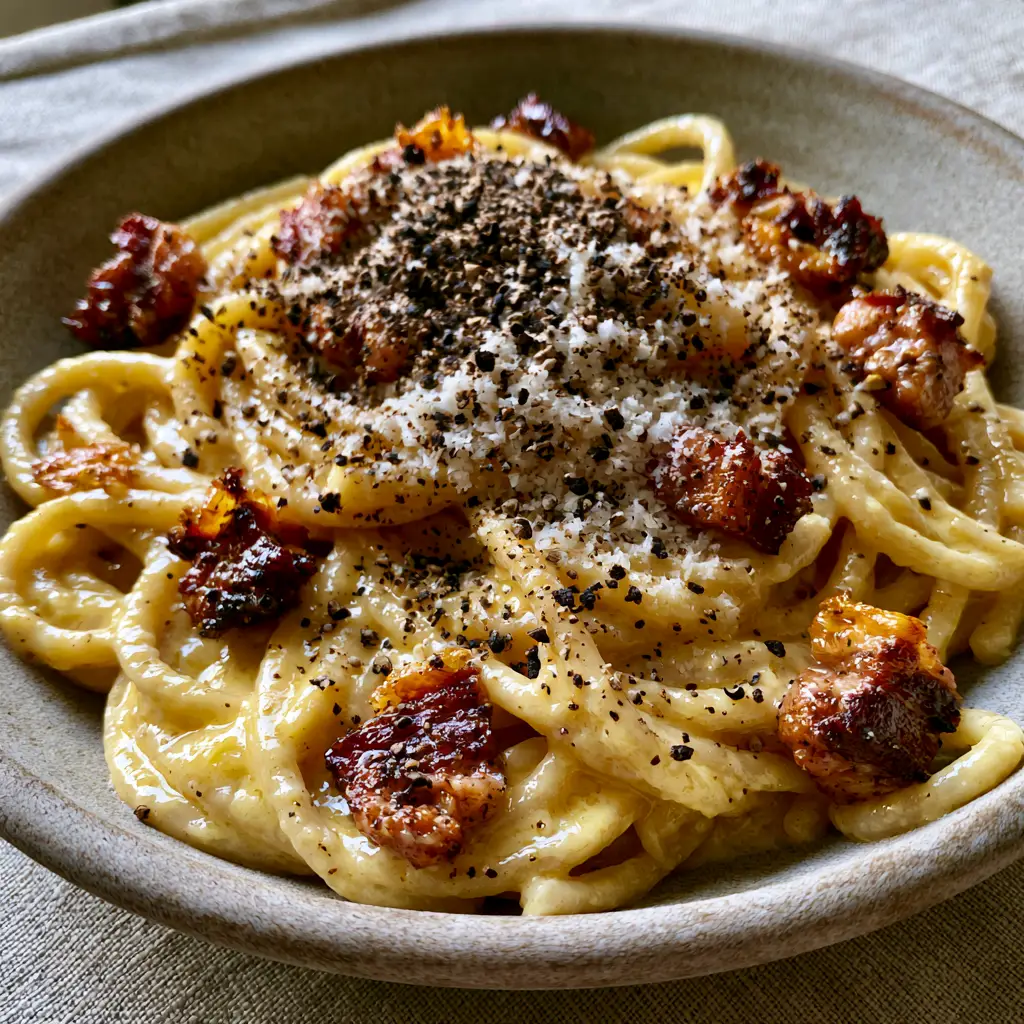
Authentic Italian recipes are the backbone of soulful cooking, and nothing defines Roman culinary excellence quite like a perfectly executed Spaghetti Carbonara. If you have been searching for that elusive, glossy, pale-yellow silky sauce that clings to every strand of pasta without a single drop of heavy cream, you have found the definitive guide. This recipe honors the traditional methods of the Lazio region, focusing on the emulsification of high-quality fats and proteins to create a dish that is as visually stunning as it is delicious.
Why This Is The Best Authentic Italian Carbonara You Will Ever Make
- Perfectly Emulsified Sauce: We skip the cream and use a precise egg-to-cheese ratio for a thick, glossy finish that never scrambles.
- Textural Contrast: You will achieve deeply browned, crispy cubes of guanciale with rendered fat that melts in your mouth.
- Al Dente Precision: Learn the timing required to finish the pasta directly in the pork fat for maximum flavor absorption.
- Bold Flavor Profile: A heavy dusting of freshly cracked coarse black pepper provides a sharp bite that cuts through the rich Pecorino Romano.
When it comes to Authentic Italian recipes, the quality of your ingredients is your only shortcut to success. Unlike a pasta primavera which relies on the freshness of seasonal vegetables, Carbonara is a study in technique and high-fat pantry staples. It is a dish of few components, meaning each one must be handled with professional care.
The Essential Ingredients for Roman Excellence
To master this dish, you must understand the role of each element. We are looking for specific chemical reactions between heat, fat, and starch.
1. The Pasta: Spaghetti or Rigatoni
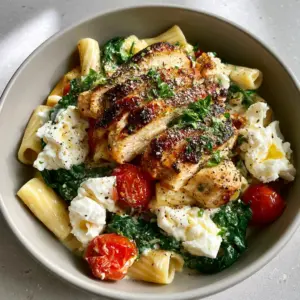
Use 12 oz (340g) of high-quality bronze-die extruded spaghetti. The rough texture of the pasta is essential for the glossy egg and pecorino emulsion to adhere to. If you prefer a shorter shape, you might see this served with rigatoni in Rome, similar to how you might enjoy a mediterranean chicken feta pasta with penne.
2. The Pork: Guanciale (Cured Pork Cheek)
You need 5 oz (150g) of guanciale. This is non-negotiable for Authentic Italian recipes. Guanciale has a higher fat-to-meat ratio than pancetta or bacon and is cured with black pepper and occasionally cinnamon or nutmeg, giving it a funk that defines the dish.
3. The Cheese: Pecorino Romano
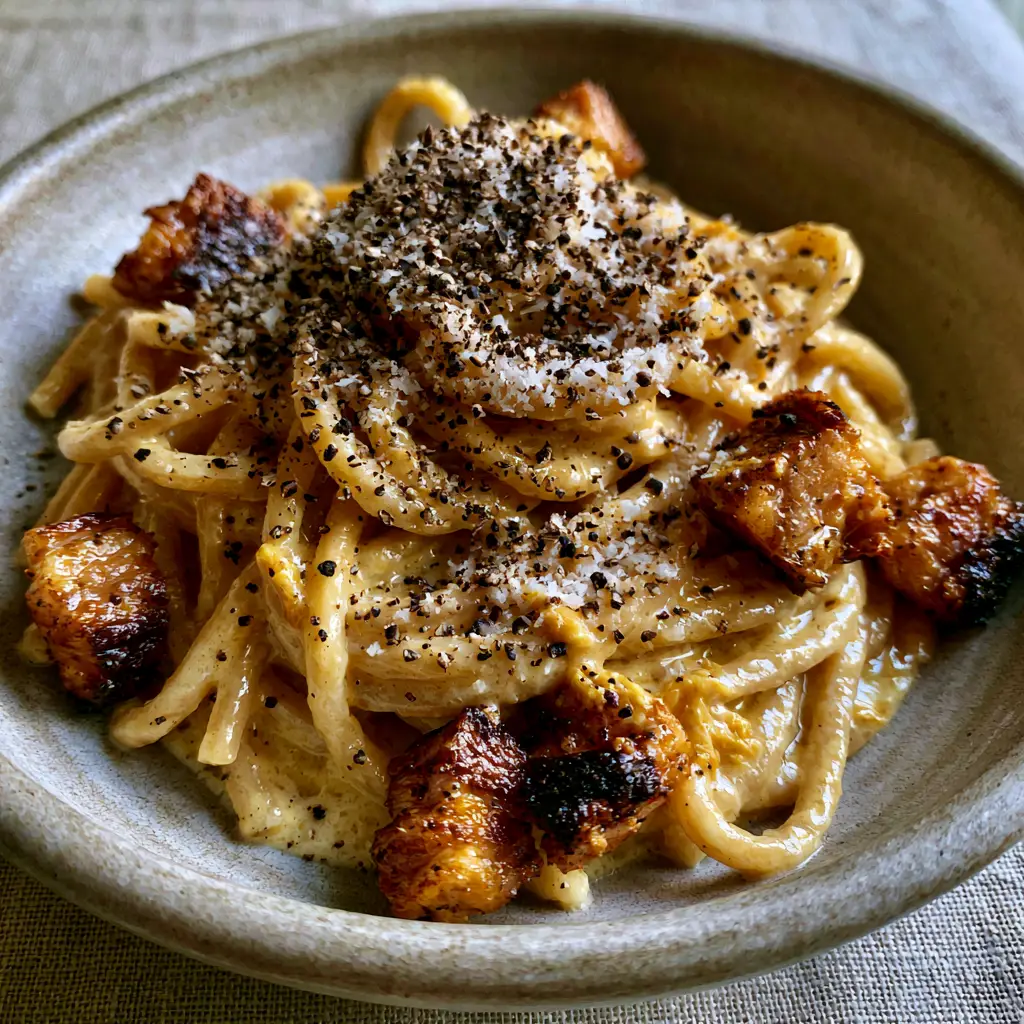
Use 2 oz (60g) of finely grated Pecorino Romano. This sheep’s milk cheese is salty and piquant. While some modern variations mix in Parmigiano Reggiano, a traditional Carbonara stays true to the sharp bite of Pecorino. It should look like a fine snow of grated cheese atop the final plate.
4. The Eggs: The Golden Ratio
Use 4 large egg yolks plus 1 whole egg. The extra yolks provide the signature pale-yellow silky sauce color and a luxurious mouthfeel that whole eggs alone cannot achieve. Ensure they are at room temperature to prevent thermal shock.
5. Black Pepper: Freshly Cracked
1 tablespoon of whole peppercorns, coarsely crushed. Do not use pre-ground pepper. You want individual pepper flakes to be visible, providing bursts of heat against the creamy sauce.
Step-by-Step Instructions to Perfection
Step 1: The Rendering Process
Cut your guanciale into 1/2-inch cubes. Place them in a cold skillet and turn the heat to medium-low. By starting in a cold pan, you slowly render out the fat, resulting in crispy rendered guanciale cubes with charred edges. Once crispy and golden, remove the pan from the heat. This rendered fat is the “liquid gold” that flavors the entire dish.
Step 2: Preparing the Carbonara Slurry
In a neutral ceramic bowl, whisk together the egg yolks, the whole egg, and the finely grated Pecorino Romano. Add half of your cracked black pepper. Whisk until a thick paste forms. This paste will eventually transform into the glossy egg and pecorino emulsion sauce once combined with the starchy pasta water.
Step 3: The Al Dente Boil
Bring a large pot of water to a boil. Salt it lightly—remember, the guanciale and Pecorino are already very salty. Cook the spaghetti until it is two minutes away from al dente. It should still have a firm bite in the center.
Step 4: The Marriage of Fat and Starch
Using tongs, transfer the spaghetti directly into the skillet with the guanciale fat. Add 1/2 cup (120ml) of starchy pasta water. Increase the heat to medium and toss vigorously. The water and fat will create a preliminary emulsion, coating the al dente spaghetti strands.
Step 5: The Critical Tempering (Off-Heat!)
This is the most important step in Authentic Italian recipes. Remove the skillet from the heat entirely. Let it cool for 30 seconds. Pour the egg and cheese mixture over the pasta. Toss constantly and rapidly. The residual heat of the pasta will cook the eggs into a cream, not a scramble. If it looks too thick, add a tablespoon of pasta water at a time until it is glistening under soft natural light.
Expert Tips for a Scramble-Free Sauce
- The Temperature Gap: Never add the eggs while the pan is on the flame. The protein in eggs coagulates at 145°F (63°C). The residual heat of the pasta (around 170°F) is plenty to thicken the sauce safely.
- Pasta Water is Essential: The starch in the water acts as a stabilizer, preventing the cheese from clumping and the eggs from breaking.
- Bowl Warming: If you are worried about the sauce cooling too fast, serve in a neutral ceramic bowl that has been warmed in the oven at a low temperature.
- No Parsley, No Cream: To keep this within the realm of Authentic Italian recipes, avoid green garnishes. The visual beauty comes from the golden sauce and the dark pepper.
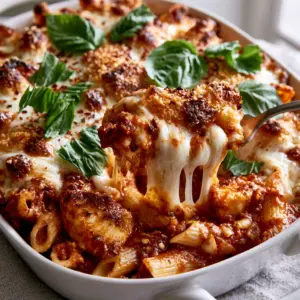
If you enjoy the complexity of these traditional techniques, you might also find interest in the bold flavors of asian dinner recipes or the structured layers of a chicken parmesan casserole. However, Carbonara remains the ultimate test of a home cook’s finesse.
Storage and Reheating (The Truth)
Carbonara is best enjoyed immediately. The emulsion is fragile and will break if reheated in a microwave. If you must store it, keep it in an airtight container for up to 24 hours. To reheat, do so in a pan over very low heat with a splash of water, whisking constantly to try and bring the emulsion back to life. Do not freeze this dish.
What to Serve with Authentic Carbonara
Since this dish is incredibly rich, pair it with a bitter green salad (like arugula or radicchio) dressed in a simple lemon vinaigrette. A crisp dry white wine, such as a Frascati or a Pinot Grigio, cuts through the fat of the guanciale beautifully.
Frequently Asked Questions
While bacon is a common substitute, it lacks the specific fat-to-meat ratio and spice cure of guanciale. If you must substitute, use unsmoked pancetta for a closer flavor profile.
The secret is the starchy pasta water. It acts as an emulsifier that binds the fat and cheese into a smooth, glistening sauce. Never drain your pasta without saving a cup of water!
Correct. Authentic Roman Carbonara achieves its creaminess solely through the emulsification of egg yolks, rendered pork fat, Pecorino Romano cheese, and starchy pasta water.
Spaghetti is the classic choice, but Rigatoni is also highly traditional in Rome. The key is using a pasta with enough surface area to hold the glossy emulsion.
The most common reason is adding the egg mixture to a pan that is still on the heat or too hot. Always remove the skillet from the burner and let it rest for 30 seconds before tossing in the eggs.
The Final Recipe: Authentic Roman Spaghetti Carbonara
Authentic Italian recipes: The Ultimate Roman Spaghetti Carbonara
Ingredients
Equipment
Method
- Place guanciale cubes in a cold skillet. Heat to medium-low and cook until fat is rendered and edges are crispy and charred.
- In a ceramic bowl, whisk egg yolks, whole egg, grated Pecorino, and half the pepper until a thick paste forms.
- Cook spaghetti in salted water until just before al dente. Reserve 1 cup of pasta water.
- Transfer pasta to skillet with guanciale fat. Add 1/2 cup pasta water and toss over medium heat for 1 minute.
- Remove skillet from heat. Wait 30 seconds, then vigorously stir in the egg mixture until glossy and thick. Add more water if needed.
Notes
Use high-quality Pecorino Romano for the most authentic flavor profile.
Join the Community!
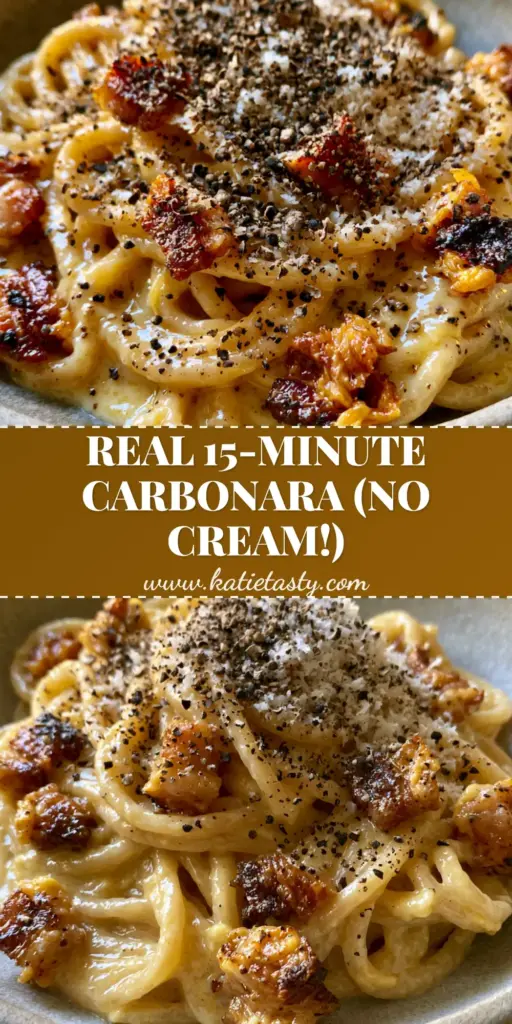
Did your sauce turn out perfectly glossy? We want to see your results! Save this recipe to your Authentic Italian recipes board on Pinterest so you never lose it. Follow @katie_tasty for more deep dives into culinary science. Leave a 5-star rating below and share a photo of your ceramic bowl filled with golden pasta in the comments!