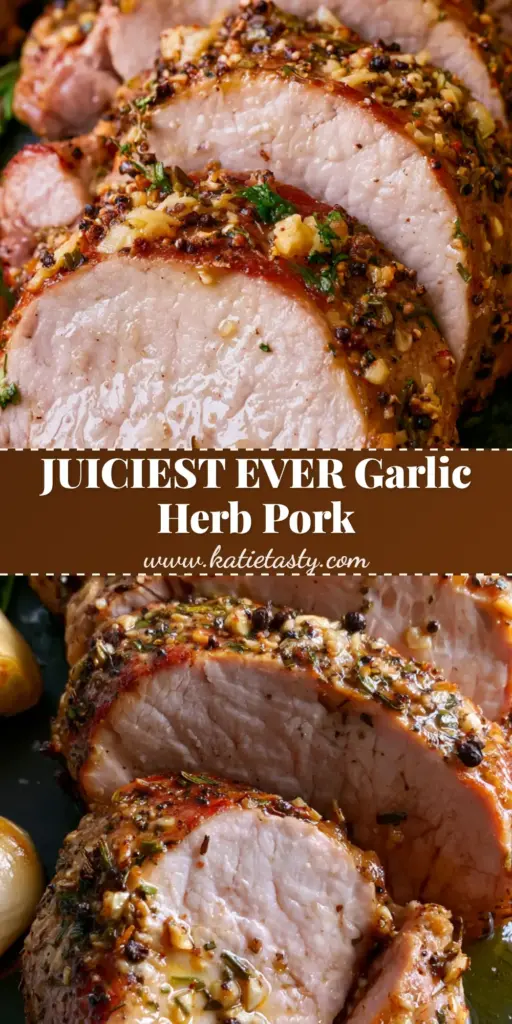
When you imagine the perfect centerpiece for a Sunday roast or an elegant weeknight meal, this herb pork tenderloin likely matches the exact image in your mind. Picture succulent, thick-cut slices of pork arranged on a rustic platter, each boasting a deep golden-brown seared crust and a moist, pale pink interior. The aroma of sizzled rosemary and toasted garlic fills the kitchen, promising a meal that is as much a sensory experience as it is a culinary triumph.
Achieving that professional-grade glistening finish and tender texture isn’t about luck; it’s about the science of the sear and the precision of the herb rub. In this guide, we’ll walk through the techniques needed to create a crust heavily coated in cracked peppercorns and minced garlic that stays perfectly attached to the meat. We are focusing on capturing those natural meat juices and that light sheen of herb-infused oil that makes every bite melt in your mouth.
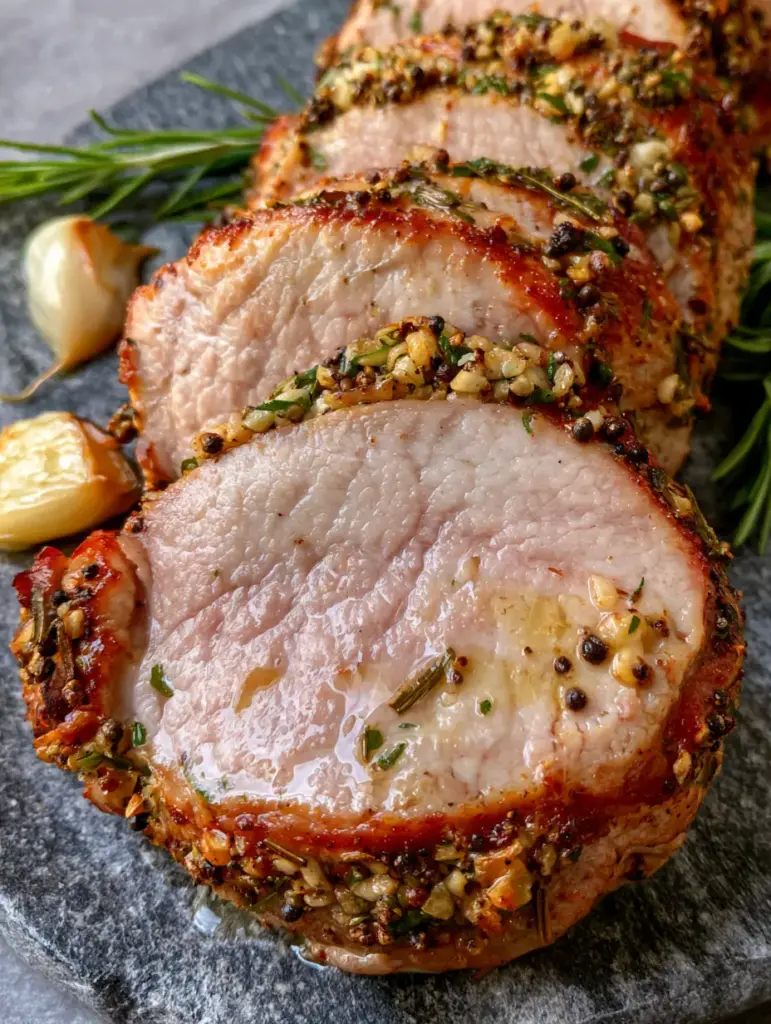
Why This Succulent Roast Will Become Your New Signature Dish
- The Perfect Maillard Reaction: We utilize a high-heat cast iron sear to develop a robust, golden-brown crust that seals in moisture.
- Aromatic Depth: The combination of fresh rosemary needles and chopped thyme provides an earthy, woodsy profile that cuts through the richness of the pork.
- Visual Masterpiece: With whole roasted garlic cloves and coarse sea salt flakes, the presentation rivals any high-end steakhouse.
- Texture Contrast: You get the crunch of the cracked black pepper against the buttery softness of the perfectly cooked pink center.
Essential Components for the Ultimate Garlic-Herb Rub
The foundation of a great herb pork tenderloin starts with the quality of your aromatics and fats. Every ingredient in this list serves a specific purpose in building the visual and flavor profile described in our blueprint.
Pork Tenderloin: You will need two tenderloins, approximately 1 lb (450g) each. This cut is lean and tender, requiring quick, high-heat cooking to maintain its succulent pale pink interior.
Minced Garlic: We use 4 cloves (20g) of freshly minced garlic for the rub. Freshly minced is non-negotiable here, as pre-minced jarred garlic lacks the sticky sulfur compounds needed to adhere to the meat and form that visible crust.
Whole Garlic Cloves: 1 head (approx. 10-12 cloves) of garlic, unpeeled but separated. These roast alongside the meat, softening into buttery spreadable gems that add a rustic aesthetic to the final platter.
Fresh Rosemary: 2 tbsp (6g) of finely chopped rosemary needles, plus extra sprigs for the platter. Rosemary stands up to high heat without burning, providing the “woodsy” backbone of our herb pork tenderloin.
Fresh Thyme: 1 tbsp (3g) of chopped thyme leaves. Thyme offers a subtle lemony, floral note that brightens the heavier flavors of the garlic and pepper.
Cracked Black Peppercorns: 1 tbsp (6g) of coarsely cracked peppercorns. Using coarse cracks rather than fine powder ensures you see those beautiful black specks in the crust as depicted in the visual prompt.
Coarse Sea Salt Flakes: 1 tsp (5g) for the rub, plus more for the final garnish. Flaky salt provides a delicate crunch and a “glistening” effect on the meat’s surface.
Extra Virgin Olive Oil: 3 tbsp (45ml). This acts as the binder for the rub and the medium for the sear, creating that light sheen of herb-infused oil on the finished slices.
Tools Required for Professional Results
To achieve the “extreme close-up” quality of this dish, you need the right heat conductivities. A heavy-bottomed skillet is the most important tool in your arsenal for this recipe.
A 12-inch cast iron skillet is the gold standard for searing pork. It retains heat better than stainless steel, ensuring the meat doesn’t drop in temperature when it hits the pan, which is crucial for that deep golden-brown crust.
An instant-read meat thermometer is your insurance policy against dry meat. To achieve the “perfect, moist pale pink” interior, we need to pull the pork at exactly the right moment.
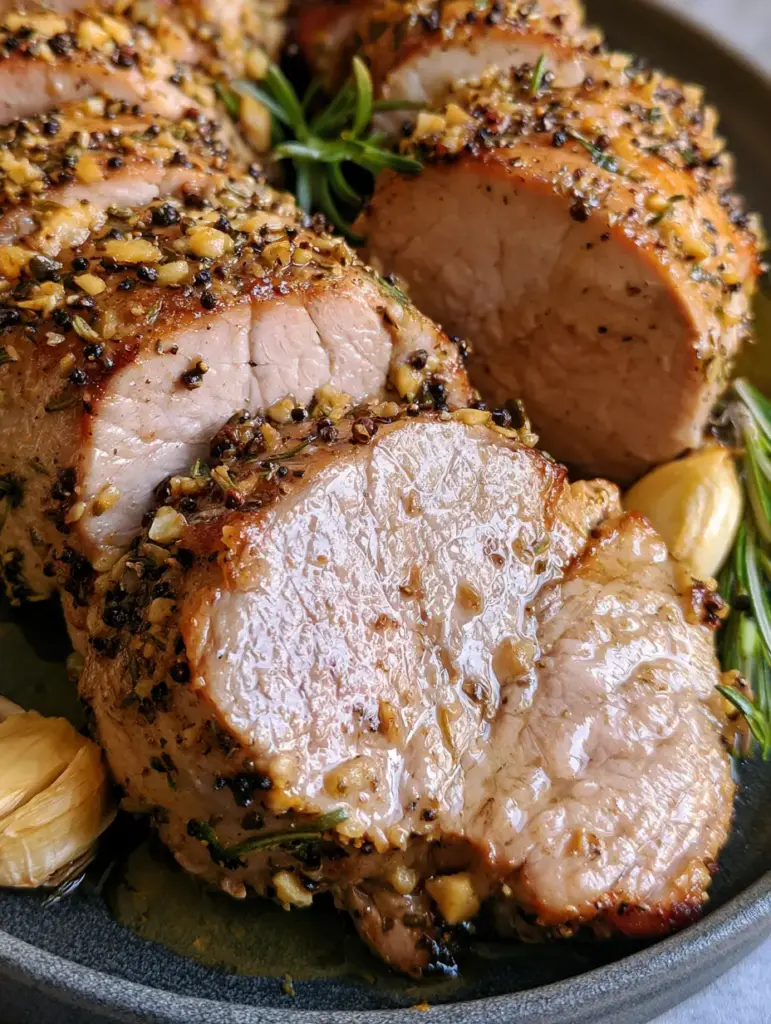
Mastering the Sear: Step-by-Step Instructions
Preparation and the “Dry Brine” Technique
Start by patting your pork tenderloins completely dry with paper towels. Any surface moisture will create steam, preventing the garlic and herbs from forming a crisp crust.
In a small bowl, combine the minced garlic, chopped rosemary, chopped thyme, cracked black pepper, and half of the sea salt. Rub the pork generously with 1 tbsp (15ml) of olive oil, then press the herb mixture firmly into the meat until it is heavily coated.
The High-Heat Infusion
Preheat your oven to 400°F (200°C). While the oven warms, heat the remaining 2 tbsp (30ml) of olive oil in your cast iron skillet over medium-high heat until the oil is shimmering and just starting to smoke.
Place the pork in the skillet. You should hear a loud, aggressive sizzle immediately. Sear for 2-3 minutes per side. Do not move the meat prematurely; wait for it to naturally release from the pan, which indicates the golden-brown crust has formed.
Roasting with Aromatics
Once the pork is seared on all sides, scatter the whole, unpeeled garlic cloves and additional rosemary sprigs around the meat in the skillet. The oil in the pan will begin to infuse with these aromatics, creating a flavorful basting liquid.
Transfer the entire skillet to the oven. Roast for 10-15 minutes, or until the internal temperature reaches 140°F (60°C). The carryover heat during the resting phase will bring it to the perfect 145°F (63°C) for a safe, pink center.
The Critical Resting Period
Transfer the pork to a cutting board and tent loosely with foil. Let the meat rest for at least 10 minutes. This allows the fibers to relax and reabsorb the natural meat juices, ensuring they don’t run off when you slice it.
Slicing for Visual Appeal
Carve the meat into thick, succulent slices. Arrange them on a dark stone platter, drizzling any accumulated juices from the cutting board and the herb-infused oil from the pan over the top. Garnish with the roasted garlic cloves and a final sprinkle of coarse sea salt flakes.
Expert Tips for the Best Herb Pork Tenderloin
- Room Temperature Meat: Take the pork out of the fridge 20 minutes before cooking. This ensures the interior reaches the “pale pink” stage at the same time the exterior finishes searing.
- The “Press” Method: Use the palm of your hand to literally press the cracked pepper and garlic into the meat fibers so they don’t fall off in the pan.
- Garlic Safety: Watch the minced garlic during the sear. If it starts to turn dark brown too quickly, slightly lower the heat. Burnt garlic becomes bitter.
- Don’t Peel the Garlic: Keeping the skin on the whole cloves while roasting protects the flesh inside, allowing it to steam into a paste-like consistency.
Safe Storage and Reheating Guidelines
Leftover herb pork tenderloin can be stored in an airtight container in the refrigerator for up to 3 days. To maintain the “succulent” texture, avoid the microwave if possible.
To reheat, place the slices in a pan with a splash of water or broth, cover with a lid, and warm over low heat. This creates a steam environment that prevents the lean meat from becoming rubbery. You can also use leftovers for a premium club sandwich variation or dice them up for a quick stir-fry.
Elevating Your Meal: Pairing Suggestions
A dish this rich in garlic and herbs needs a side that can stand up to its bold profile. A bright, acidic salad like a cucumber salad can provide a refreshing contrast to the roasted meat.
If you prefer a more classic pairing, consider serving this alongside roasted vegetables or even a light pasta dish. For those who enjoy a bit of heat, a side of creamy pepper sauce can be drizzled over the pork slices to add another layer of luxury.
If you find yourself with extra pork, it works beautifully when repurposed into a salt and pepper style stir-fry the next day, maintaining that peppery crust we worked so hard to create.
Frequently Asked Questions
While fresh herbs provide the best visual ‘needle’ texture and aromatic oil, you can use dried. Reduce the measurement to 1/3 of the fresh amount, as dried herbs are more concentrated.
You must rest the pork for at least 10 minutes. This allows the internal juices to redistribute. Slicing too early will result in the juices running out, leaving the meat dry.
Yes, according to the USDA, it is perfectly safe to eat pork when it reaches an internal temperature of 145°F (63°C), which typically leaves the meat with a moist, pale pink center.
Pork tenderloin is a long, thin, lean muscle that cooks quickly. Pork loin is much wider and thicker, often with a fat cap. This recipe is specifically designed for the quick-cooking tenderloin.
The most common reason is surface moisture. If the meat isn’t patted dry, steam will form between the meat and the rub, causing it to slide off. Also, ensure you press the rub firmly into the meat fibers.
The Ultimate Herb Pork Tenderloin Recipe
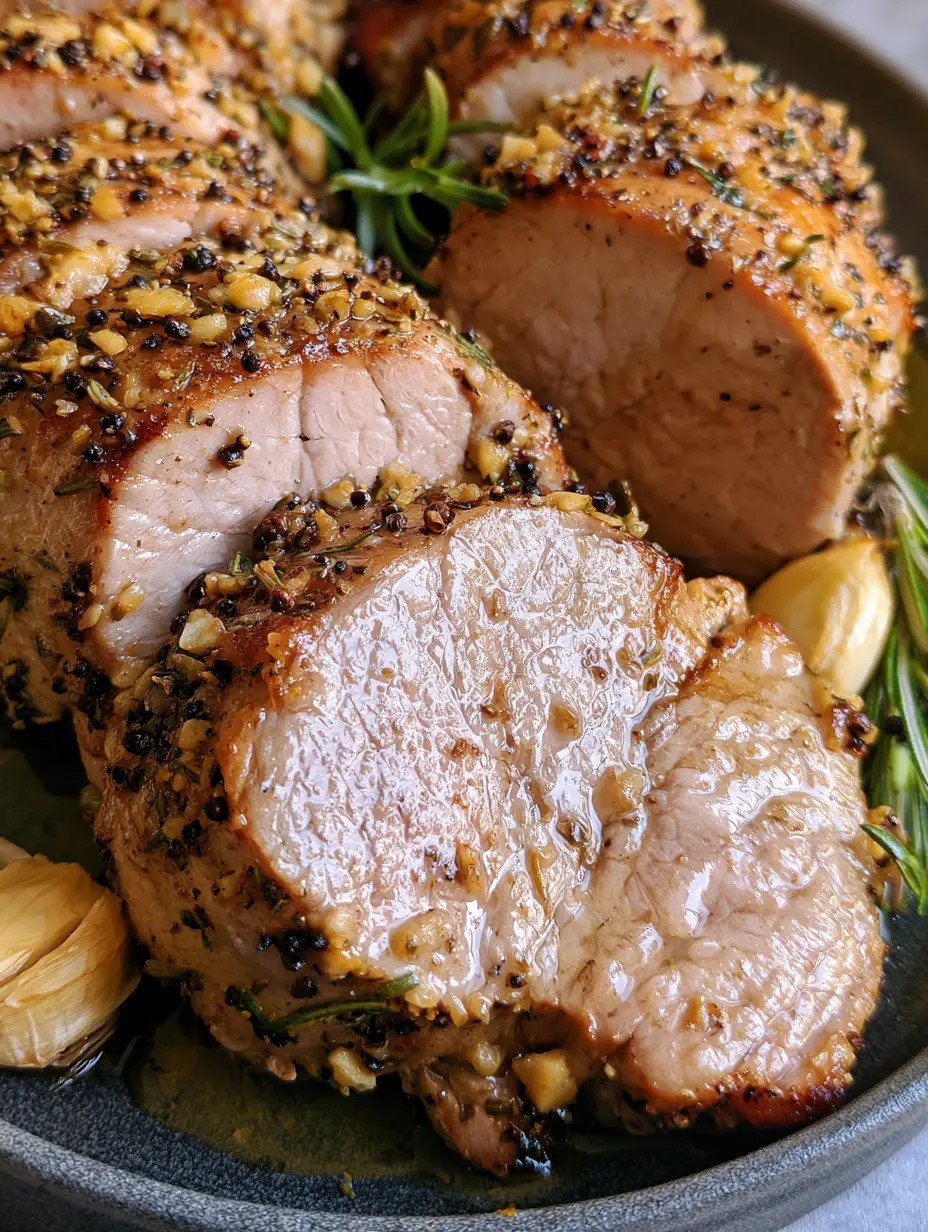
Herb Pork Tenderloin with Roasted Garlic and Fresh Rosemary
Ingredients
Equipment
Method
- In a small bowl, combine minced garlic, chopped rosemary, thyme, cracked pepper, and salt.
- Pat pork dry, coat with 1 tbsp olive oil, and press the herb mixture firmly into the meat.
- Heat remaining oil in a cast iron skillet over medium-high heat. Sear pork 2-3 minutes per side until a deep golden-brown crust forms.
- Add whole garlic cloves and rosemary sprigs to the pan. Roast at 400°F (200°C) for 10-15 minutes until internal temp hits 140°F (60°C).
- Rest the meat for 10 minutes under foil to allow juices to redistribute.
- Carve into thick slices and serve on a platter with roasted garlic and pan juices.
Notes
Carryover cooking will raise the temperature about 5 degrees while resting.
Conclusion & Call to Action
This herb pork tenderloin is more than just a recipe; it is a masterclass in balancing textures and aromatics. By following the visual cues of a deep golden-brown crust and a moist pink center, you are guaranteed a result that looks as good as it tastes. The glistening juices and roasted garlic cloves make this an unforgettable meal for any occasion.
If you enjoyed this recipe, please leave a comment below and let me know how your sear turned out! Don’t forget to sign up for our newsletter for more culinary forensics and professional-grade recipes. If you want to save this for later, be sure to pin the image below to your favorite boards on Pinterest!