When it comes to achieving restaurant-quality results at home, few things are as visually arresting and flavor-dense as a perfectly executed grilled pork sauce recipe. The secret lies not just in the meat, but in the structural integrity of the glaze—a thick, translucent amber coating that clings to every crevice of a thick-cut, bone-in chop. This isn’t just a meal; it’s a masterclass in balancing sweet, savory, and heat.
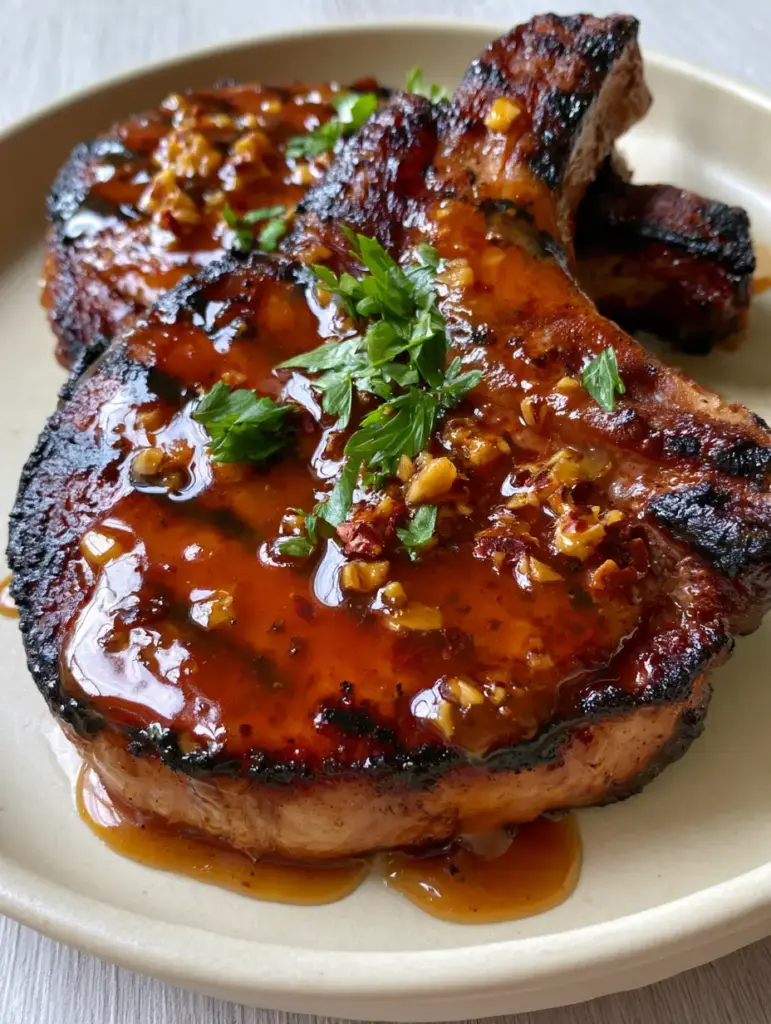
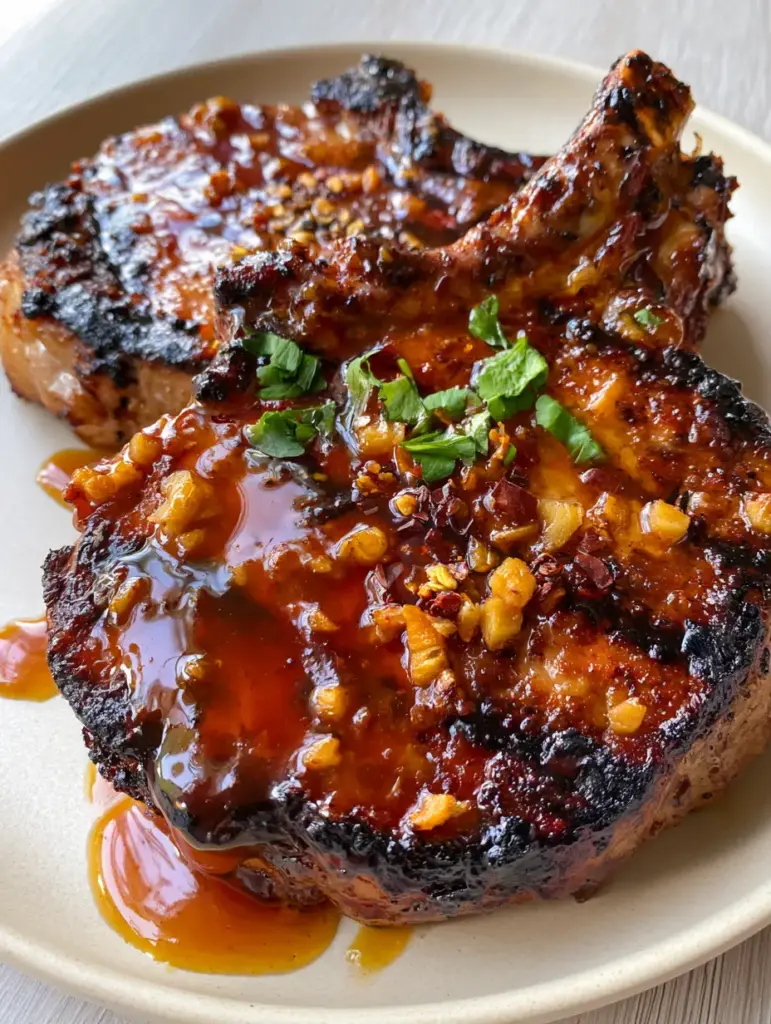
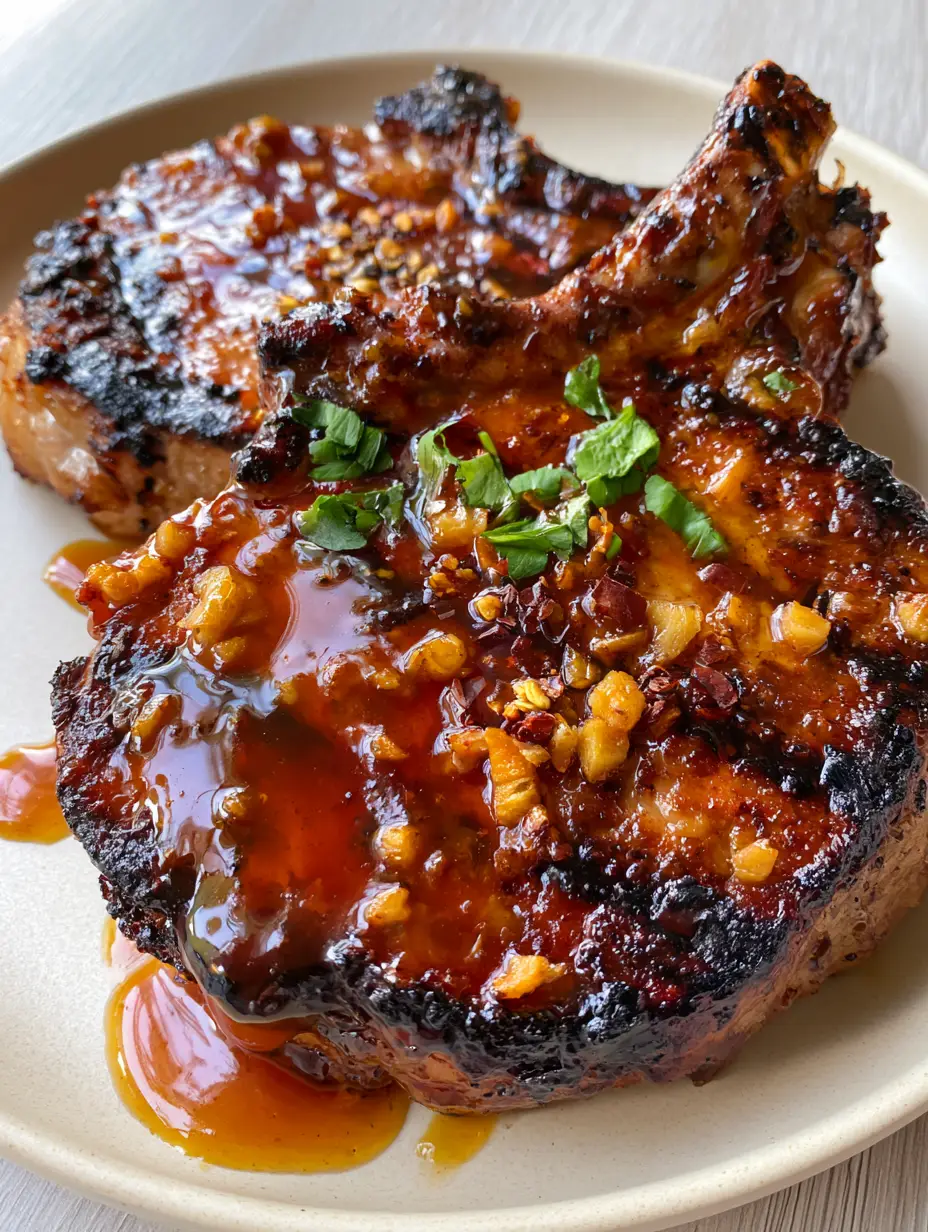
The visual appeal of this dish is undeniable, featuring dark brown caramelized grill marks that contrast beautifully against a glossy honey-garlic finish. As you prepare this grilled pork sauce recipe, you will notice the way the light catches the golden toasted garlic bits and the vibrant pop of freshly chopped flat-leaf parsley. It is a sensory experience designed for those who appreciate the finer details of culinary presentation.
Whether you are hosting a summer barbecue or a cozy weeknight dinner, this recipe ensures your pork remains succulent while the exterior develops a sticky, mouthwatering bark. We have engineered this guide to provide you with the professional techniques needed to master the grill and the sauce pot simultaneously.
Why This Amber Honey Glaze Defines the Perfect Grilled Pork Sauce Recipe
- Perfect Viscosity: The sauce is engineered to be thick and glossy, ensuring it “pools” slightly in the grill marks rather than running off the meat.
- Textural Contrast: Tiny bits of golden toasted minced garlic provide a subtle crunch against the tender, juicy pork.
- Visual Brilliance: The translucent amber color reflects light, creating a professional “magazine-look” finish on a matte cream ceramic plate.
- Balanced Heat: Crushed red pepper flakes cut through the sweetness of the honey, providing a gentle back-end warmth.
- Sensory Freshness: A final scatter of chopped flat-leaf parsley provides a clean, herbaceous aroma that balances the rich umami of the grilled meat.
The Essential Elements for Your Grilled Pork Sauce Recipe
To achieve the specific visual and flavor profile described in our blueprint, every ingredient serves a dual purpose. We aren’t just looking for flavor; we are looking for the chemical reactions—like the Maillard reaction and sugar caramelization—that create that iconic deep brown crust.
Thick-Cut Bone-In Pork Chops: Use chops at least 1.5 inches (3.8cm) thick. The bone acts as an insulator, keeping the meat near it tender, while the thickness allows for deep grill marks without overcooking the center.
High-Quality Liquid Honey: This is the foundation of our amber color. Honey provides the natural sugars necessary for that high-gloss, translucent finish that reflects window side-lighting so beautifully.
Fresh Minced Garlic: Avoid the jarred variety; fresh garlic contains the natural oils and sulfur compounds that, when simmered in the glaze, turn into those distinct golden-toasted bits.
Red Pepper Flakes: These are not just for heat. Visually, the red flecks suspended in the amber liquid provide a gourmet aesthetic that signals a complex flavor profile.
Soy Sauce (Low Sodium): This provides the salt and the dark pigment required to shift the honey from a pale yellow to a deep, rich amber. It acts as the “stain” for our grilled pork sauce recipe.
Apple Cider Vinegar: The acidity is crucial for breaking down the protein fibers and balancing the heavy sugar content of the honey, ensuring the sauce isn’t cloying.
Unsalted Butter: Whisked in at the very end, butter provides the “gloss” or “sheen” seen in the high-detail photography, creating a professional emulsified finish.
Necessary Equipment for Professional Grill Marks
Achieving the dark-brown caramelized grill marks seen in our visual prompt requires specific tools and heat management. A heavy-duty cast iron grill pan or a clean, well-oiled outdoor grill grate is the first requirement for success.
You will also need a high-heat silicone basting brush. Unlike nylon brushes, silicone can handle the heat of the grill while moving the thick glaze effectively into the “crevices” of the meat. A digital meat thermometer is non-negotiable for ensuring the pork reaches exactly 145°F (63°C) for optimal juiciness.
Finally, a small heavy-bottomed saucepan is needed to reduce the grilled pork sauce recipe. The heavy bottom prevents the sugars in the honey and garlic from scorching, allowing for a slow, controlled caramelization that yields that perfect translucent amber hue.
How to Master the Ultimate Grilled Pork Sauce Recipe
Preparing the Meat for the Sear
Start by patting your pork chops extremely dry with paper towels. Moisture is the enemy of a good sear; if the surface is wet, the meat will steam rather than develop those dark brown grill marks. Season generously with kosher salt and cracked black pepper at least 15 minutes before grilling.
Allow the meat to come to room temperature. This ensures even cooking from the edge to the bone. If you enjoy this preparation, you might also love our classic salt and pepper pork for a more minimalist approach to seasoning.
The Science of the Amber Glaze
In your saucepan, combine 1/2 cup (120ml) honey, 2 tablespoons (30ml) soy sauce, 1 tablespoon (15ml) apple cider vinegar, and 4 cloves of finely minced garlic. Bring to a gentle simmer over medium-low heat. You are looking for the “toasting” phase—where the garlic bits turn a pale golden brown.
Watch for the bubbles to transition from large and thin to small and viscous. This indicates the water has evaporated, and you are left with a concentrated glaze. Add a pinch of red pepper flakes and whisk in 1 tablespoon (15g) of cold butter at the end to achieve that reflective, glossy sheen.
Achieving Deep Caramelized Grill Marks
Heat your grill to high (approx. 450°F / 230°C). Lightly oil the grates with a high-smoke-point oil like avocado oil. Place the chops down and do not move them for at least 3-4 minutes. You are waiting for the Maillard reaction to work its magic.
Rotate the chops 45 degrees if you want cross-hatch marks, but for the look in our photo, a single set of deep, dark brown parallel lines is perfect. Flip the chops and begin the basting process. If you prefer smaller portions with similar bold flavors, check out our tender pork bites.
The Basting and Resting Phase
Apply a generous layer of the grilled pork sauce recipe to the upward-facing side of the meat. The heat from the grill will cause the glaze to bubble and “set,” turning it into a thick, translucent coating. Repeat this process twice on each side.
Once the internal temperature reaches 140°F (60°C), remove the chops from the grill. Carry-over cooking will bring them to the safe 145°F (63°C) while they rest. Resting is vital; it allows the fibers to relax and the glaze to fully adhere to the meat surface, creating that “pooling” effect in the crevices.
Pro Tips for a Visually Stunning Presentation
- The Resting Rule: Rest the meat for at least 8 minutes. This prevents the juices from running out and thinning your beautiful amber sauce when you cut into it.
- Garnish Timing: Only add the chopped flat-leaf parsley and extra red pepper flakes at the very last second. This keeps the greens vibrant and prevents them from wilting into the sauce.
- Plate Choice: As seen in our prompt, a matte cream ceramic plate provides a neutral, high-end background that makes the amber tones of the sauce “pop.”
- Side-Lighting: If taking photos, place your plate near a window. Side-lighting emphasizes the texture of the grill marks and the glisten of the sauce.
Perfect Pairings for Glazed Pork
A dish this rich and glossy needs sides that can either cut through the sweetness or complement the savory garlic. For a earthy balance, we highly recommend serving these chops alongside our buttery cowboy mushrooms. The umami of the mushrooms pairs perfectly with the honey garlic profile.
If you’re looking for something lighter, a crisp green salad or roasted asparagus works wonders. For those who enjoy a full pork-centric feast, you might also consider trying our herb-crusted pork or the vibrant zesty ginger lime pork for your next meal prep session.
Frequently Asked Questions
Yes, but be careful with timing. Boneless chops cook much faster and lack the insulation provided by the bone, making them prone to drying out. Reduce the cooking time and use a meat thermometer to pull them at 140°F.
The secret is high heat and patience. Ensure your grill is preheated to at least 450°F and pat the pork chops completely dry before seasoning. Do not move or flip the meat for at least 3-4 minutes to allow the sugars and proteins to caramelize.
Simmer the sauce over medium-low heat rather than high heat. The honey has a high sugar content and can scorch quickly. You want the garlic to slowly toast to a golden amber, not turn black.
To keep them juicy, reheat the chops in a pan over low heat with a splash of water or apple juice, covered with a lid. This creates steam that thins the glaze slightly while warming the meat without overcooking it.
If the sauce is thin, it likely hasn’t reduced enough. Simmer it on low heat until the water content evaporates and the bubbles become small and thick. Whisking in a bit of cold butter at the end also helps emulsify and thicken the glaze.
The Complete Grilled Pork Sauce Recipe & Guide
Grilled Pork Sauce Recipe: The Ultimate Honey Garlic Glazed Bone-In Chops
Ingredients
Equipment
Method
- In a small saucepan, combine honey, soy sauce, vinegar, and minced garlic. Simmer over medium-low heat for 5-7 minutes until the garlic turns golden and the sauce is a thick, translucent amber.
- Whisk in the cold butter and red pepper flakes until the sauce is glossy and reflective. Remove from heat and set aside.
- Pat pork chops dry and season with salt and pepper. Place on a high-heat grill. Cook for 4 minutes without moving to achieve dark brown caramelized grill marks.
- Flip the chops and brush generously with the amber sauce. Continue cooking until the internal temperature reaches 140°F (60°C).
- Remove chops to a matte cream plate. Let rest for 8 minutes. Sprinkle with fresh chopped parsley and a few extra red pepper flakes before serving.
Notes
Use a digital thermometer for perfect juiciness.
Closing & Call to Action
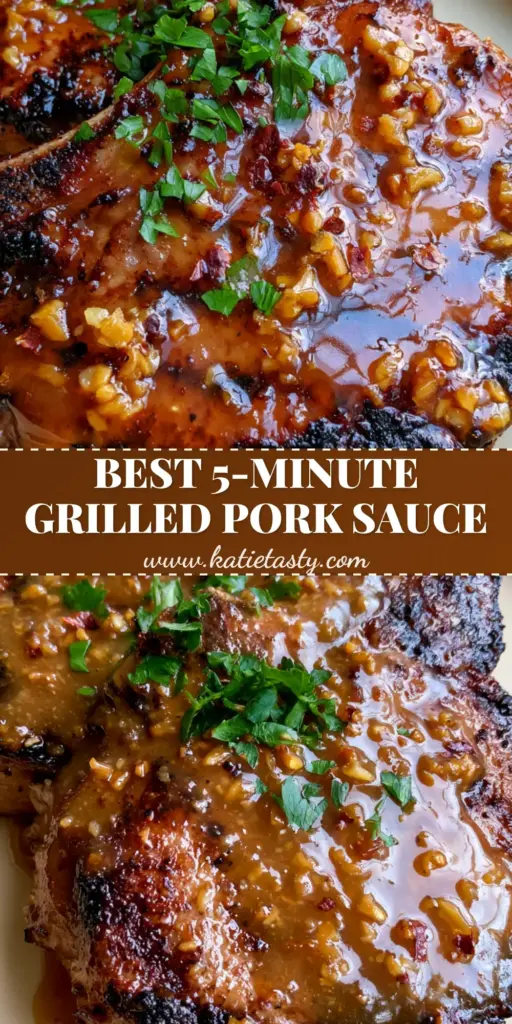
Mastering the grilled pork sauce recipe is a rewarding journey into the world of professional glaze work and temperature control. By focusing on the visual cues—the golden garlic, the amber translucence, and the deep brown sear—you can create a dish that tastes every bit as good as it looks on the plate. This recipe isn’t just about feeding a family; it’s about the art of the grill.
If you enjoyed this tutorial, please leave a comment below and let us know how your grill marks turned out! Don’t forget to sign up for our newsletter for more elite culinary guides and follow us on Pinterest to save this recipe for your next weekend cookout.